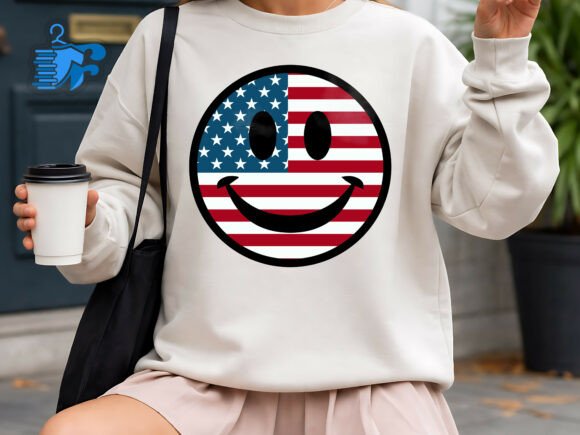
American Flag Smiley Face Design: A Creative Asset for Modern Branding
Infusing a classic symbol with a burst of contemporary energy, the American Flag Smiley Face Design merges patriotic iconography with a universally positive emoticon. This unique graphic asset is more than a simple mashup; it’s a strategic tool for designers, marketers, and creators aiming to inject approachability, optimism, and national pride into their visual communications. In a landscape saturated with generic imagery, this design stands out by creating an immediate, friendly connection with the audience, making it a powerful component for effective branding and engaging creative projects.
Understanding the Visual Impact
At its core, this design leverages the principles of visual hierarchy and emotional resonance. The familiar stripes and stars of the flag provide instant recognition, while the smiley face overlay adds a layer of warmth and relatability. This combination is exceptionally effective in modern graphic design, where human-centric and emotionally intelligent visuals drive engagement. It transforms a formal symbol into one that feels personal, making it ideal for campaigns that seek to build trust and community. The design’s strength lies in its ability to communicate complex ideas—patriotism, joy, inclusivity—with a single, cohesive image.
Practical Applications Across Creative Fields
The versatility of this asset allows it to enhance a wide array of projects. Its file formats ensure seamless integration into your design workflow, whether for digital or print. Consider these practical applications:
- Branding and Logo Design: Use the icon as a central mark or a secondary brand element for businesses, nonprofits, or events centered around American themes, positivity, or community. It can soften a brand’s identity, making it more welcoming.
- Marketing & Social Media Graphics: Create scroll-stopping content for platforms like Instagram, Facebook, and Twitter. It’s perfect for holiday promotions, patriotic events, or simply adding a cheerful touch to everyday posts, boosting user engagement and shareability.
- Merchandise and Packaging Design: The design is optimized for high-quality reproduction on apparel, mugs, stickers, and tumblers. In packaging, it can make products on shelves feel more approachable and aligned with values of positivity.
- Digital and Editorial Layouts: Integrate the graphic into website hero sections, UI elements, presentation decks, or editorial layouts to break the monotony of text-heavy content. It adds a focal point that guides the viewer’s eye and reinforces the overall message.
Tips for Effective Implementation
To maximize the impact of any creative asset, thoughtful application is key. When using the American Flag Smiley Face Design, consider these best practices from a professional perspective:
- Maintain Consistency: Ensure the design’s color palette and style align with your existing brand identity. A clash in tones can disrupt the visual harmony of your project.
- Prioritize Scalability: Always use the vector formats (SVG, EPS, DXF) for projects that require resizing, such as large-format printing or responsive web design. This preserves crisp lines and details at any scale.
- Consider Audience and Context: While the smiley face is broadly positive, ensure its use is appropriate for the specific audience and context. It’s best suited for campaigns aiming for a friendly, inclusive, or celebratory tone.
- Balance with Other Elements: Use this design as an accent or a hero element, but avoid overcrowding your layout. Effective visual hierarchy means giving each element enough space to communicate its message without competing for attention.
Choosing the right creative assets is a fundamental step in crafting a professional and cohesive visual narrative. The American Flag Smiley Face Design exemplifies how a thoughtfully created graphic can bridge traditional symbolism with modern aesthetics, offering both visual appeal and functional versatility. By integrating such high-quality resources into your projects, you elevate the overall design quality, strengthen your brand’s storytelling, and create more resonant, memorable experiences for your audience. In the dynamic field of visual communication, these details make a significant difference.